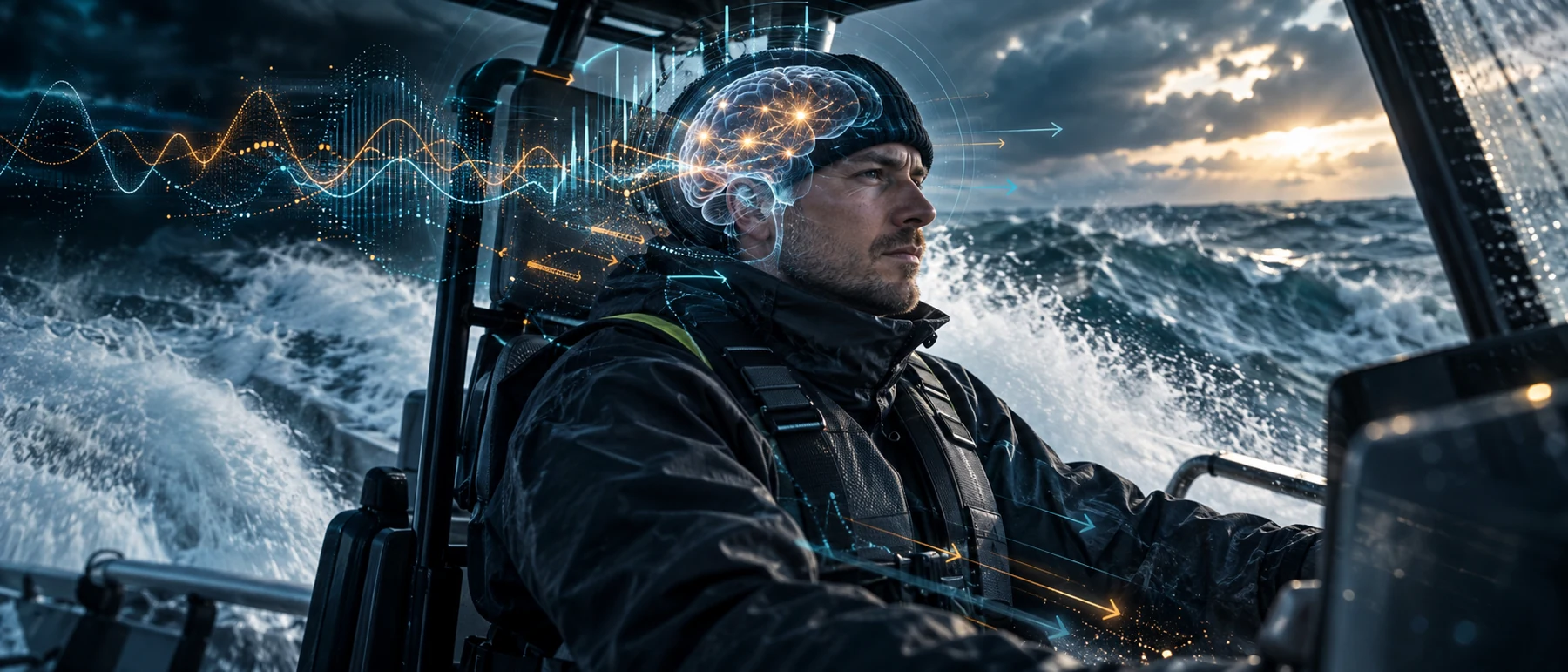
Cognitive testing & exposure insight

See the person.See the operation.

VIMMS connects structured cognitive assessments with the whole-body vibration, impacts and journeys experienced by each person—creating a more complete evidence trail for review and follow-up.

A person completing an interactive web-based cognitive assessment on a touchscreen laptop in a home office
04 / COGNITIVE
01

Exposure meets performance

One person. One timeline. Two kinds of evidence.

Vessel data describes what a person experienced. Cognitive testing adds a structured view of how they performed. VIMMS brings those records together by person and date so changes can be reviewed in context rather than as isolated results.

A reviewer can move from an assessment to the relevant journeys, WBV exposure and impact history without losing the link between the individual, the test and the operating period.

  • Person-linked exposure history
  • Cognitive assessment timeline
  • Relevant journeys and events
  • Evidence ready for review
01Operational exposureWBV · impacts · journey
02Individual recordPerson · role · timeline
03Cognitive assessmentBaseline · result · follow-up
02

Web-based assessment

Complete the test where the person is.

The cognitive assessment is web based, allowing a participant to complete it on a suitable connected device at home, in an office or in another quiet working environment.

There is no need to travel to a clinic simply to take the test. A consistent digital process guides the participant through the assessment while keeping the result connected to their VIMMS record.

  • Completed through a web browser
  • Suitable for home or office use
  • No clinical setting required
  • Consistent guided assessment
03

Managed assessment

Request, complete and retain every test.

Authorised managers can assign an assessment from an approved catalogue. The participant completes it through a controlled testing journey, while the assessment status and result remain associated with their VIMMS crew record.

Repeat assessments create a longitudinal record for baseline comparison, follow-up and review—not another disconnected test result.

  • Participant-linked assessments
  • Baseline and repeat testing
  • Completion status and results
  • Auditable assessment history
04

Review and follow-up

Turn a result into a managed action.

A cognitive assessment is not a diagnosis. It provides an additional signal for authorised managers and qualified medical reviewers, who can add notes, request further testing, schedule follow-up or close the review.

Open actions and concerns can be carried forward for appropriate oversight, creating continuity between exposure evidence, cognitive assessment and the decisions taken.

  • Reviewer notes and recommendations
  • Further-test requests
  • Scheduled follow-up
  • Clear review status
05

Flexible by design

Choose the right assessment for each organisation.

Each client can work from an approved assessment catalogue suited to its own programme. The testing service sits behind the Maritime Systems experience, giving crews and managers one coherent workflow.

This provider-neutral structure allows the available assessments to evolve without breaking the link to the person's operational evidence.

  • Client-level assessment choice
  • Branded participant journey
  • Provider-neutral integration
  • One connected VIMMS record
06

Privacy and access

Sensitive records stay protected.

Cognitive assessment results and participant records are encrypted in transit and at rest. Only specifically approved medical staff can open the cognitive results and associated health-related records.

Role-based access control (RBAC) applies tiered permissions across the system. Managers and operational users see only the data and functions appropriate to their responsibilities, controlling who can see what at every level.

  • Encryption in transit and at rest
  • Approved medical access
  • Role-based access control
  • Tiered management permissions
07

Purpose and boundaries

Evidence for review—not an automated diagnosis.

VIMMS does not make a medical diagnosis or decide whether a person is fit for duty. It brings relevant records together so suitably authorised people can recognise changes, ask better questions and manage follow-up.

Medical interpretation and fitness-for-duty decisions remain the responsibility of appropriately qualified professionals. The system preserves the evidence and actions supporting that review.

  • Qualified professional oversight
  • No automated diagnosis
  • Recorded reviewer actions
  • Clear operational and clinical responsibility

Discuss your operation

Turn the question into evidence.

Arrange a demonstration