Shock-mitigating marine seats

Measure the travel. Understand the seat.

VIMMS combines suspension-seat displacement with acceleration at the seat and vessel, helping operators see how the seat is using its available travel and identify events that deserve review.

Discuss a seat-monitoring installation
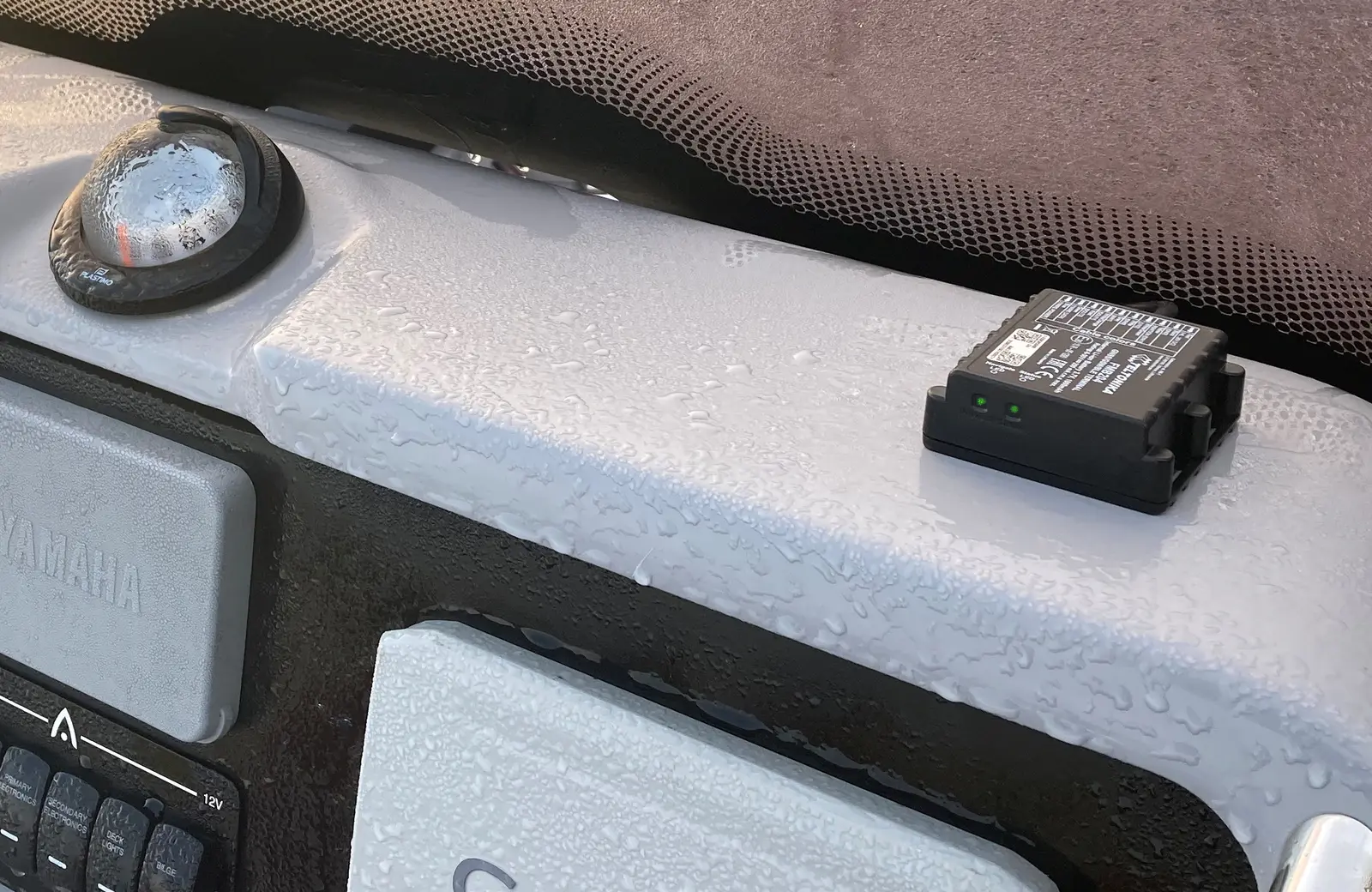
VIMMS sensor installation aboard a professional high-speed craft
Seat and vessel measurements are recorded in the same operational timeline.
04 / SEAT RESPONSE

One signal · three levels of attention

Travel becomes useful when it leads to the right response.

The percentages illustrate the monitoring principle. Operational thresholds must be set for the particular seat, installation and available travel.

01Travel in use

Record the movement and keep it in journey context.

02High displacement

Review the event, occupant, settings and operating conditions.

03Near configured limit

Little travel margin may remain; investigate the correlated evidence.

01

Mechanical context

WBV tells you the exposure. Travel shows how the seat responded.

Whole-body vibration and impact measurements describe the motion reaching the occupant. Seat displacement adds a different piece of evidence: how far the suspension moved while responding to that input.

Viewed together, vessel acceleration, seat acceleration and seat travel help distinguish the operating conditions from the response of the seat. The result is more useful than treating any one peak value as the whole story.

  • Seat travel through the journey
  • Time-aligned seat and vessel acceleration
  • Peak displacement and event duration
  • Context from speed, position and crew identity
02

Possible bottoming

Flag the loss of travel margin before it becomes routine.

A shock-mitigating seat can only move within its mechanical travel. When measured displacement approaches a known or configured travel limit, little movement may remain to absorb the next input.

A high-displacement event does not by itself prove that the seat bottomed out or that an injury occurred. It is a reason to examine the event, the acceleration trace, the occupant and load, the seat settings and the sea conditions.

  • Alert only at a meaningful configured threshold
  • Review repeated high-travel events
  • Correlate travel with seat acceleration
  • Retain the journey evidence for investigation
03

Setup & condition

The same seat can behave differently for each occupant.

Available travel and suspension response can change with occupant mass, carried equipment, preload or spring setting, damping, posture and the condition of the seat. A setting that works for one person may not provide the same travel margin for another.

Displacement trends can support a setup or maintenance review, but the correct adjustment and service limits must come from the seat manufacturer and a competent assessment of the installation.

  • Occupant and equipment mass
  • Preload, spring and damping settings
  • Posture and support
  • Wear, adjustment and servicing
04

Operational use

A clear demonstration metric. A selective operational warning.

During trials and demonstrations, live displacement makes the suspension response visible: the user can see the seat move as the vessel encounters the sea. It creates an immediate connection between the mechanical system and the recorded data.

In normal service, the useful approach is quieter. The system should preserve the continuous record and draw attention only when displacement reaches a configured level, when travel margin becomes small or when a pattern develops across journeys.

  • Live seat-travel display for trials
  • Configured high-displacement warning
  • Journey and fleet trend review
  • Evidence for setup, maintenance and training

Discuss your operation

Turn the question into evidence.

Arrange a demonstration